August 25, 2026
After a car accident, dealing with vehicle damage is only one part of the recovery process. You may also need to contact your insurer, document what happened, understand your coverage, arrange an inspection, and determine how repairs will be handled. When these responsibilities pile up at once, the insurance claim process can become confusing and time-consuming. Working with an experienced auto body repair facility can make the process more manageable by helping prepare estimates, communicate with your insurer, and coordinate repairs from the initial inspection through completion.
Understanding the Insurance Claim Process
Documenting the Accident
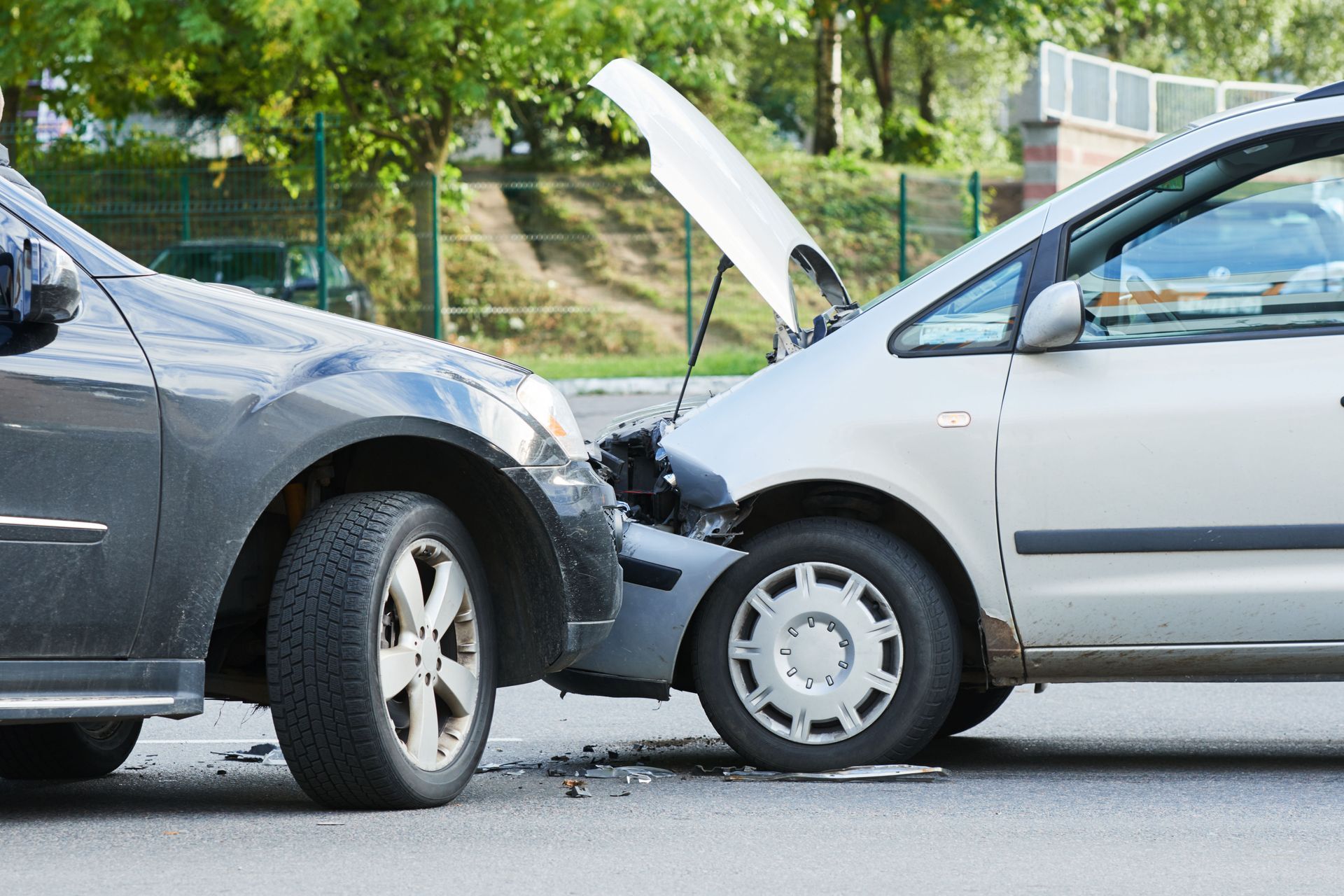
The information gathered immediately after a collision can affect how an insurance claim progresses. Once everyone is safe and emergency services have been contacted when necessary, exchange insurance and contact information and photograph the scene. Pictures of vehicle damage, road conditions, traffic signals, and surrounding vehicles can help establish what occurred. A police report, witness information, and notes about the circumstances can also provide useful documentation for your insurer.
The circumstances of an accident can be especially important when determining what information should be included with a claim. According to the World Health Organization, drivers using mobile phones while driving are approximately four times more likely to be involved in a crash than drivers who do not use them. If there is credible information that another driver was using their phone or otherwise distracted, that detail may be relevant to the claim. An auto body repair facility cannot determine fault, but its team can help ensure damage and related documentation are properly presented to the insurer.
Reviewing Damage and Preparing an Estimate
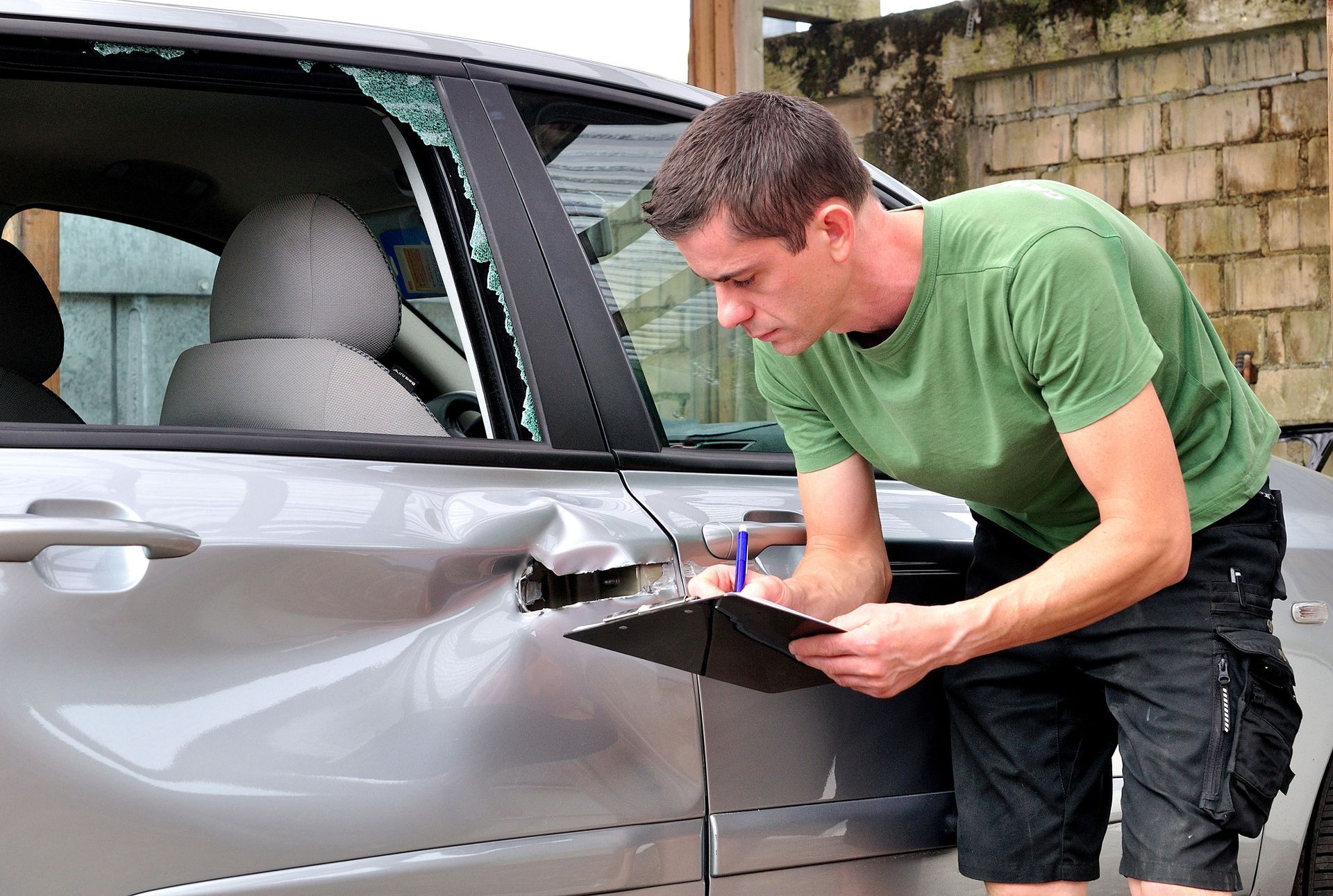
A professional inspection can provide a clearer picture of the repairs required after an accident. Damage is not always limited to what can be seen from outside the vehicle. A collision may affect body panels, bumpers, frame components, alignment, glass, or other parts even when visible damage appears minor. A thorough inspection can identify issues that should be addressed before repairs begin.
An auto body repair facility can prepare an itemized estimate describing the work needed to restore the vehicle. Depending on the collision, this may include dent repair, bumper replacement, body panel replacement, frame straightening, windshield replacement, paintwork, and color matching. A detailed estimate gives the insurance adjuster information needed to evaluate the claim while giving the vehicle owner a better understanding of the proposed repairs.
Understanding Your Coverage
Insurance policies vary, so it is important to understand what your specific policy covers before assuming every repair expense will be paid by your insurer. Collision coverage, deductibles, policy limits, rental coverage, and other provisions can affect what you may owe. Your insurance company can explain your coverage, while an experienced repair facility can help you understand how those decisions relate to the repair process.
Working with a facility that regularly handles insurance claims can also reduce confusion surrounding administrative tasks. The team may communicate with your insurer, provide estimates and supporting documentation, and help coordinate questions that arise during repairs. This assistance can keep the claim organized while allowing you to focus on transportation and other responsibilities following the accident.
Working With Insurance Companies During Repairs
Communicating With the Adjuster
Communication between the repair facility and insurance adjuster is an important part of keeping a collision claim organized. Adjusters need accurate information about the vehicle's condition and required repairs, while technicians need claim details and authorization to proceed with certain work. Direct communication can reduce the chance of information becoming lost or misunderstood between the different parties involved.
An auto body repair facility that regularly works with insurance companies can assist with estimate preparation and claim communication. The repair team can explain the damage identified during the inspection and provide documentation supporting the proposed work. This helps connect the accident damage with the repair procedures being requested through the insurance claim.
Handling Supplemental Damage
The initial estimate does not always account for every problem that will become apparent once repairs begin. Technicians may discover hidden damage after removing a bumper, body panel, trim piece, or other component. Structural damage and other collision-related problems can be concealed behind exterior damage and may not be identifiable during an initial visual inspection.
When additional damage is discovered, the repair facility can document the findings and communicate them to the insurance adjuster. This may result in a supplemental estimate covering additional parts, labor, or procedures. Rather than requiring the vehicle owner to identify technical repair requirements and explain them to the insurer, the facility can provide professional documentation and help coordinate approval for the necessary work.
Completing Quality Repairs and Getting Back on the Road
Coordinating the Repair Process
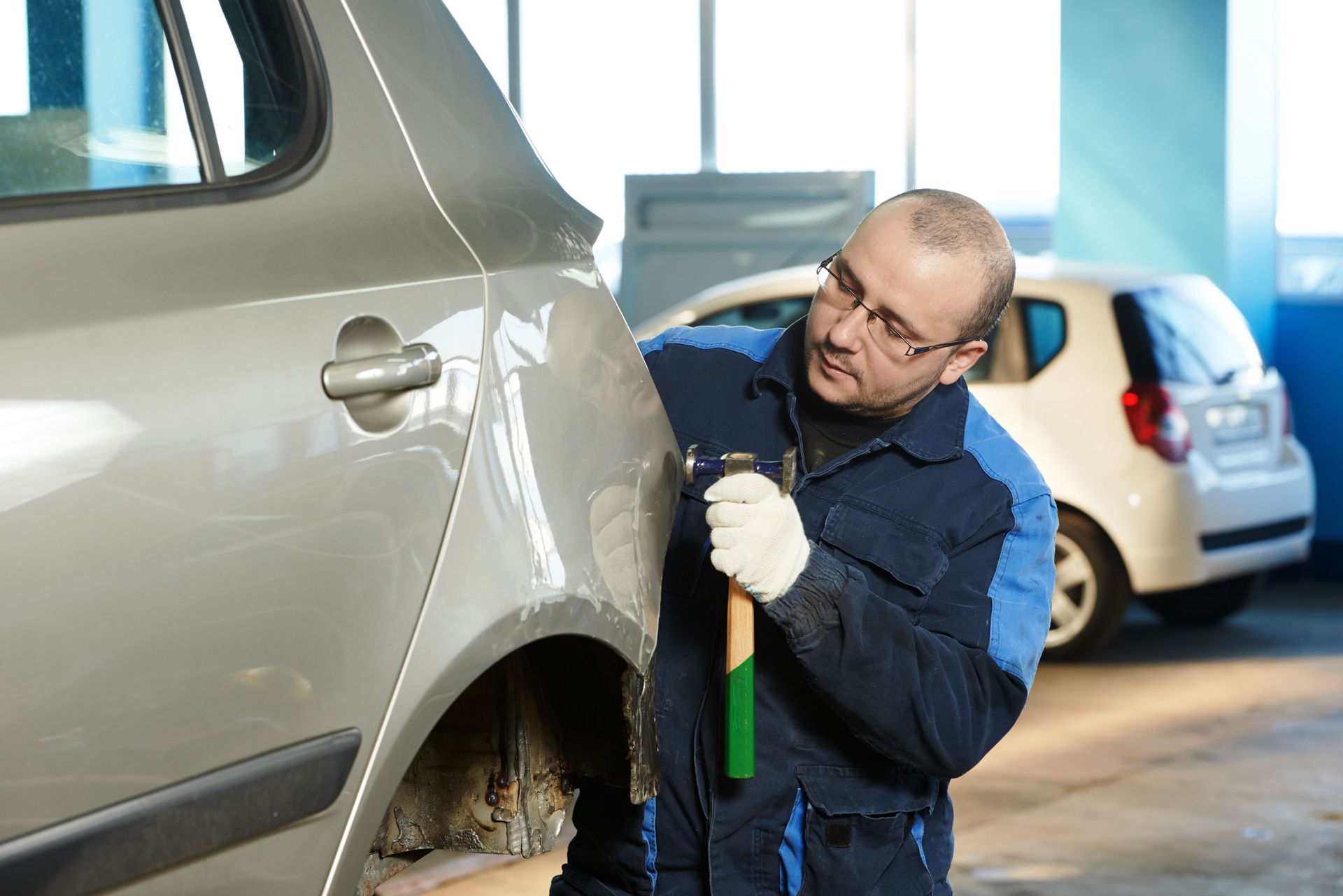
Once the insurance claim and repair plan are established, the facility can coordinate the work required to restore the vehicle. Collision repairs may involve disassembly, structural repairs, bodywork, part replacement, preparation, painting, reassembly, and final inspection. Each stage should be completed carefully so the finished vehicle addresses both visible damage and underlying problems caused by the collision.
An auto body repair team with extensive collision experience can manage these stages as part of a coordinated process. Depending on the severity of the accident, repairs may include frame straightening, paintless dent repair, bumper replacement, body panel work, windshield replacement, and color matching. The goal is not simply to improve the vehicle's appearance. Proper repairs should also address structural integrity, safety, fit, finish, and normal vehicle function.
Managing Rental Transportation
Being without a vehicle can create significant challenges, particularly when repairs take longer than initially expected. Some insurance policies include rental vehicle coverage, although eligibility, limits, and approved providers can vary. Understanding these provisions early in the claim can help you make appropriate transportation arrangements while your vehicle is being repaired.
An auto body repair facility may be able to assist with coordinating rental transportation by communicating with insurance representatives and local rental providers. This can reduce the number of calls customers need to make separately. Establishing transportation arrangements early can also help minimize disruptions to commuting, appointments, family responsibilities, and other daily activities while the vehicle is unavailable.
Inspecting the Finished Vehicle
The final stage of a collision claim should include a careful review of the completed repairs. Before the vehicle is returned, the repair facility should inspect the work to ensure the repairs have been completed properly and that the vehicle's appearance and function meet the intended standards. Customers should also have an opportunity to review the vehicle and ask questions about the completed work.
A professional auto body repair facility can provide documentation regarding completed repairs and explain applicable warranty coverage. A facility offering a lifetime warranty on its workmanship can provide additional support if an eligible workmanship issue develops later. Taking time for a final inspection helps ensure the repair process is properly completed and that the customer understands the work performed.
Navigating an auto insurance claim after a collision can feel overwhelming when you are also dealing with vehicle damage, transportation challenges, paperwork, and coverage questions. An experienced auto body repair facility can simplify many of these responsibilities by providing detailed estimates, documenting damage, communicating with insurance adjusters, coordinating supplemental claims, and keeping you informed throughout the process.
The right repair facility can connect the administrative side of an insurance claim with the technical work required to restore your vehicle. From the initial inspection to the final quality check, experienced technicians can address visible and hidden collision damage while helping keep the process organized. If you have recently been involved in an accident, contact Erie Customs & Collision Inc to request an estimate and get assistance navigating your insurance claim.