April 20, 2026
Automobile collisions vary in severity, and determining whether a vehicle is repairable or considered totaled requires a thorough assessment. Professional collision repairs restore vehicles to their pre-accident condition while ensuring safety, performance, and aesthetics. According to The Zebra, weather-related factors contribute to about 22% of the 6 million crashes annually in the United States, demonstrating the widespread need for reliable repair services. Understanding the most common types of collision damage and the repair process helps vehicle owners make informed decisions and ensures proper restoration.
Assessing Structural Damage
One of the most critical aspects of any collision is structural damage to the vehicle’s frame or chassis. Bent or misaligned frames compromise safety and drivability. Professional collision repairs involve precision measurements using computerized frame alignment systems to restore the vehicle to manufacturer specifications. Technicians straighten or replace structural components, ensuring that crumple zones, suspension points, and safety systems function correctly. Addressing structural damage is essential for protecting occupants in future incidents.
Repairing Dents and Dings
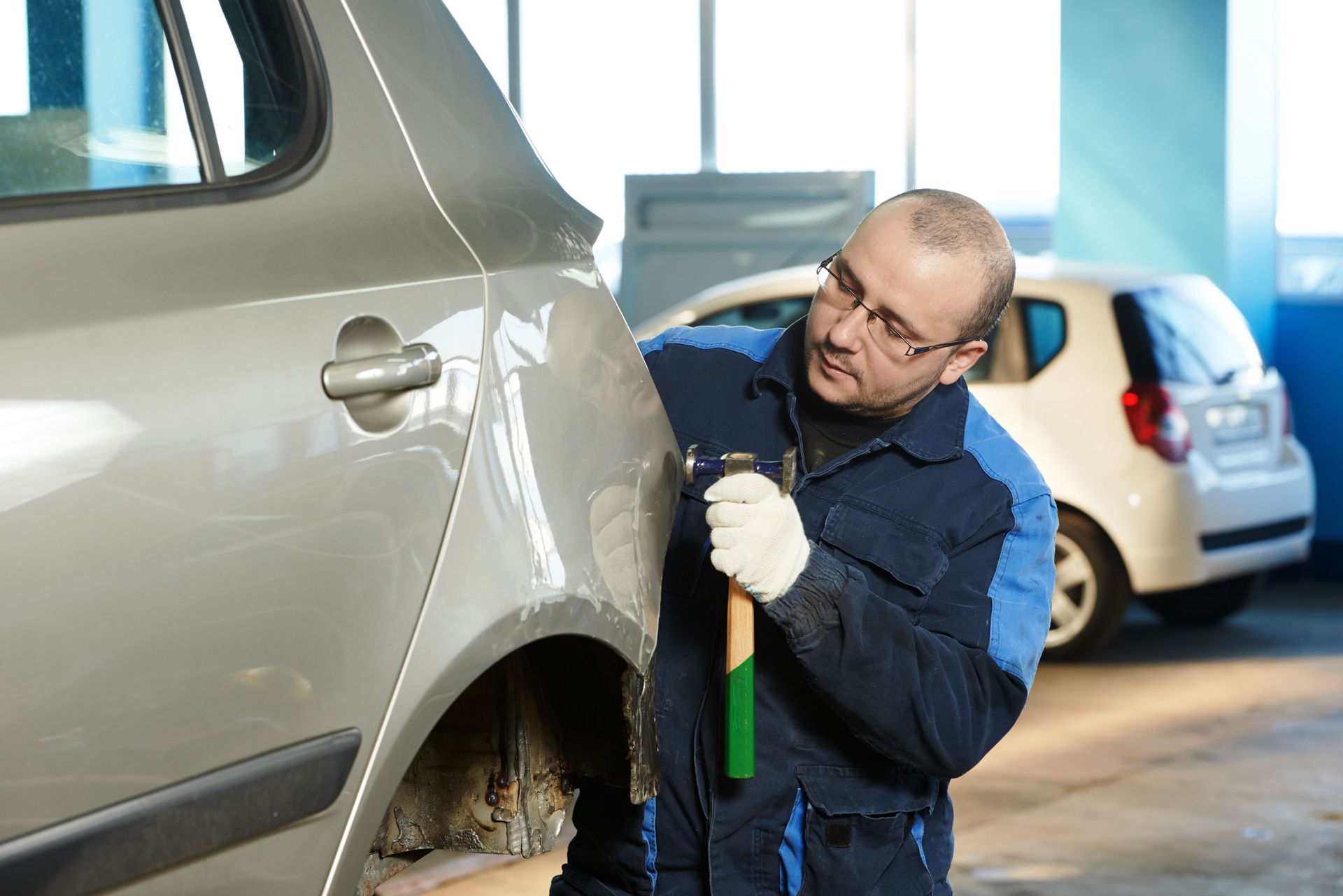
Minor collisions often result in dents and dings to doors, fenders, and body panels. While these may seem cosmetic, they can lead to paint damage or corrosion if untreated. Professional collision repairs employ techniques such as paintless dent repair, panel replacement, or traditional bodywork to restore smooth, even surfaces. Technicians carefully blend repairs to match the surrounding panels, preserving the vehicle’s appearance and structural integrity. Proper dent repair prevents further deterioration while maintaining resale value.
Restoring Bumpers and Impact Absorbers
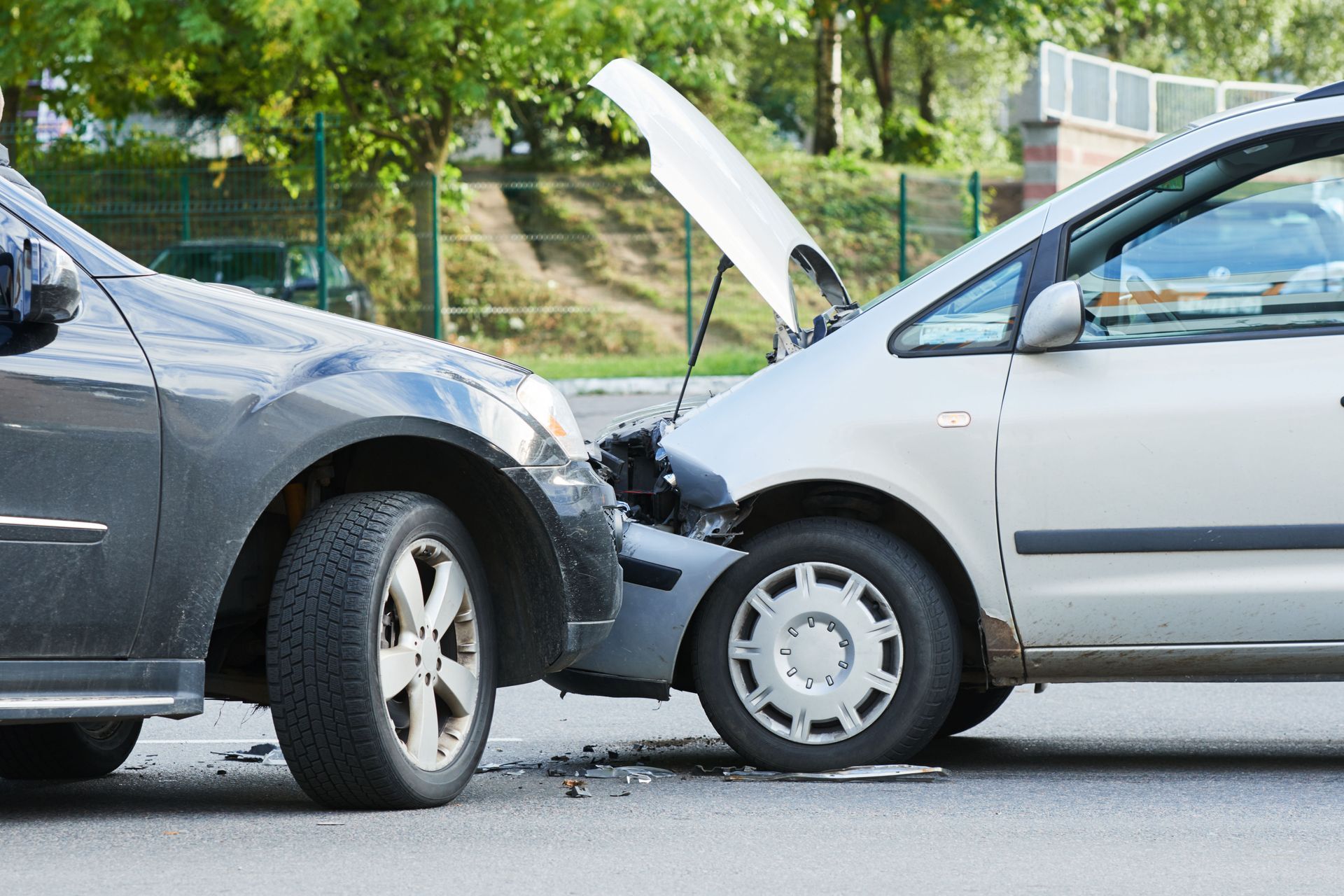
Bumpers are designed to absorb impact during collisions, and they often sustain damage ranging from cracks to complete deformation. Expert collision repairs involve inspecting underlying support structures, replacing or repairing the bumper, and restoring alignment. Advanced materials, such as composite plastics or aluminum, may require specialized tools for precise installation. Ensuring that bumpers are properly repaired is vital for both safety and appearance, as they protect the vehicle’s frame and safety systems in future impacts.
Addressing Hood and Trunk Damage
Frontal and rear-end collisions frequently damage the hood or trunk, affecting opening, closing, and locking mechanisms. Professional collision repairs include panel straightening, dent removal, and repainting. In severe cases, replacement panels may be required to maintain structural integrity. Skilled technicians also verify that the repaired hood or trunk aligns correctly and functions seamlessly. Proper restoration ensures security, prevents water intrusion, and maintains the overall aesthetics of the vehicle.
Fixing Fenders and Side Panels
Side-impact collisions commonly damage fenders and side panels, creating dents, scratches, or more significant deformation. Expert collision repairs may involve panel replacement, metal straightening, or paint refinishing. Technicians ensure that all repaired panels align with adjacent components and maintain aerodynamic performance. Repairing fenders and side panels not only improves appearance but also protects internal components such as wheel wells, suspension, and wiring from further damage.
Replacing Headlights and Taillights
Lighting systems are often damaged in collisions, affecting visibility and safety. Professional collision repairs include replacing broken headlights, taillights, or signal lights and ensuring proper alignment and electrical connections. Advanced lighting technology, such as LEDs or adaptive headlights, requires specialized knowledge for accurate installation. Proper lighting restoration ensures the vehicle is safe to drive and compliant with regulations while restoring the original factory appearance.
Restoring Glass and Windows
Collisions can crack or shatter windshields, side windows, or rear glass, compromising visibility and safety. Professional collision repairs involve full glass replacement or chip repair using manufacturer-approved adhesives and techniques. Technicians ensure proper sealing and structural integrity, which is critical for passenger safety and airbag deployment in modern vehicles. Restoring damaged glass protects occupants and maintains the vehicle’s overall durability.
Repairing Doors and Hinges
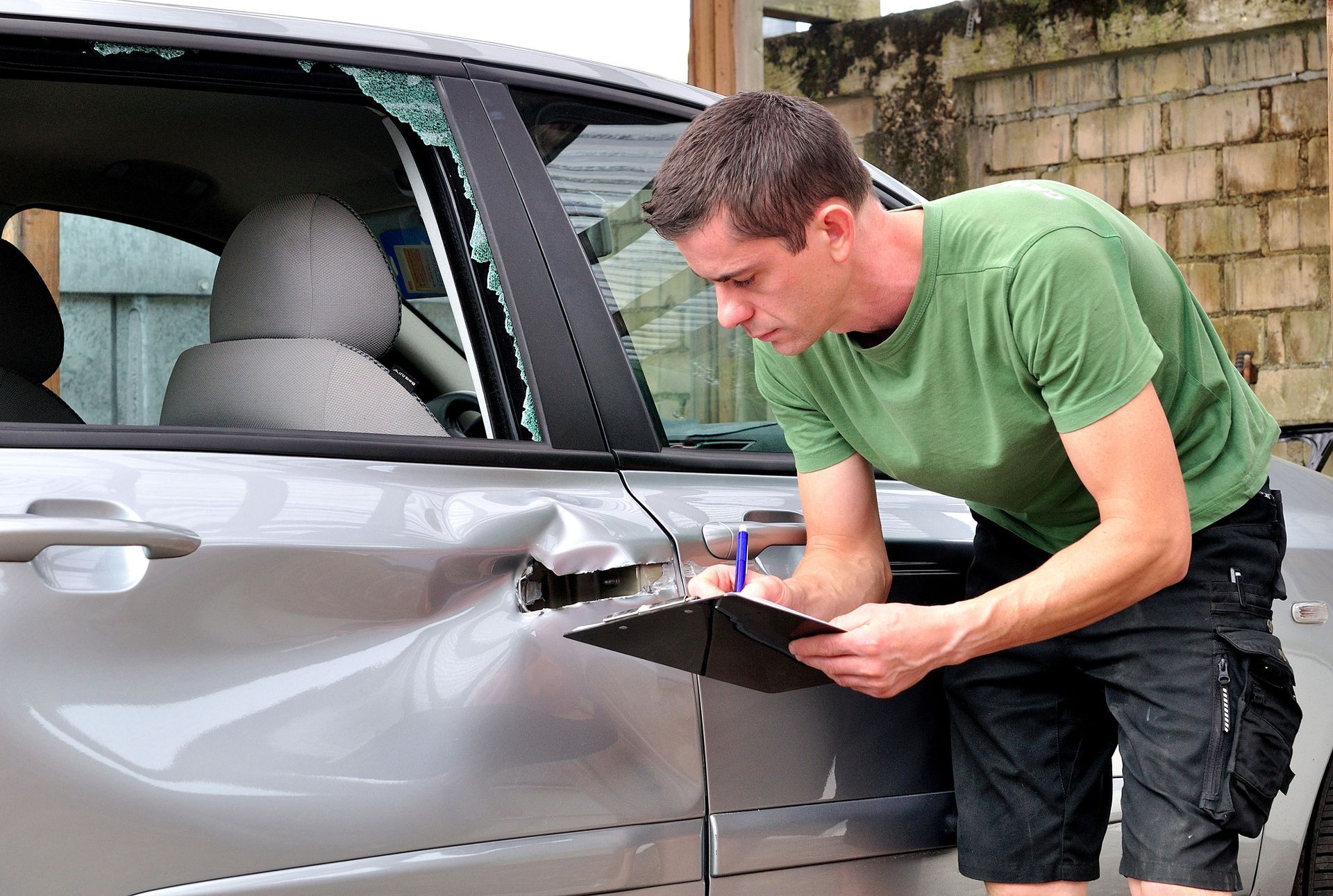
Doors often suffer from impact damage, leading to misalignment, compromised latches, or bent hinges. Professional collision repairs involve panel straightening, hinge adjustments, or replacement of damaged components. Accurate restoration ensures proper opening and closing, maintains weatherproofing, and preserves side-impact protection. Well-executed door repairs contribute to both safety and visual appeal, restoring the vehicle’s functionality and structural integrity.
Correcting Roof and Pillar Damage
Severe collisions, such as rollovers or high-impact accidents, can damage the roof and supporting pillars. Professional collision repairs involve assessing structural integrity, replacing or reinforcing damaged beams, and refinishing surfaces to match the original design. Skilled technicians follow manufacturer specifications to restore safety and alignment. Proper roof and pillar repair is essential for occupant protection, maintaining the vehicle’s ability to withstand future impacts.
Addressing Mechanical Component Damage
Even collisions that appear minor can impact mechanical systems, including radiators, engine mounts, or suspension components. Professional collision repairs involve thorough inspection and testing to identify hidden damage. Technicians repair or replace compromised mechanical components, ensuring proper function and preventing further operational issues. Addressing both mechanical and cosmetic damage guarantees the vehicle is safe, reliable, and fully restored.
Repairing Suspension and Alignment Issues
Collision forces often affect suspension geometry and wheel alignment. Misalignment can lead to uneven tire wear, reduced handling performance, and increased stress on mechanical components. Professional collision repairs include suspension inspections, component replacement, and precision alignment using computerized tools. Accurate restoration of suspension and alignment improves vehicle drivability, comfort, and safety while reducing the risk of long-term damage.
Addressing Paint and Finish Damage
Collisions frequently damage a vehicle’s paint, leading to scratches, chips, or peeling. Professional collision repairs include sanding, priming, color matching, and repainting affected areas. Advanced paint blending techniques ensure seamless integration with surrounding panels, restoring the vehicle’s original appearance. Proper paint restoration protects the metal surfaces from corrosion and enhances both resale value and visual appeal.
Ensuring Compliance With Safety Standards
All collision repairs must comply with manufacturer safety standards to maintain occupant protection. Technicians follow guidelines to preserve crumple zones, airbag functionality, and other critical safety features. Adhering to these standards ensures that the vehicle performs reliably in future accidents and meets regulatory requirements. Professional repair shops prioritize safety compliance, providing peace of mind for vehicle owners.
Prioritizing Timely and Efficient Service
Prompt repair after a collision minimizes vehicle downtime and inconvenience for owners. Professional collision repairs involve efficient scheduling, workflow coordination, and resource management. Skilled technicians prioritize critical tasks while maintaining quality standards, restoring vehicles as quickly as possible. Timely service ensures that owners can resume normal transportation with confidence in safety and performance.
Leveraging Advanced Diagnostic Equipment
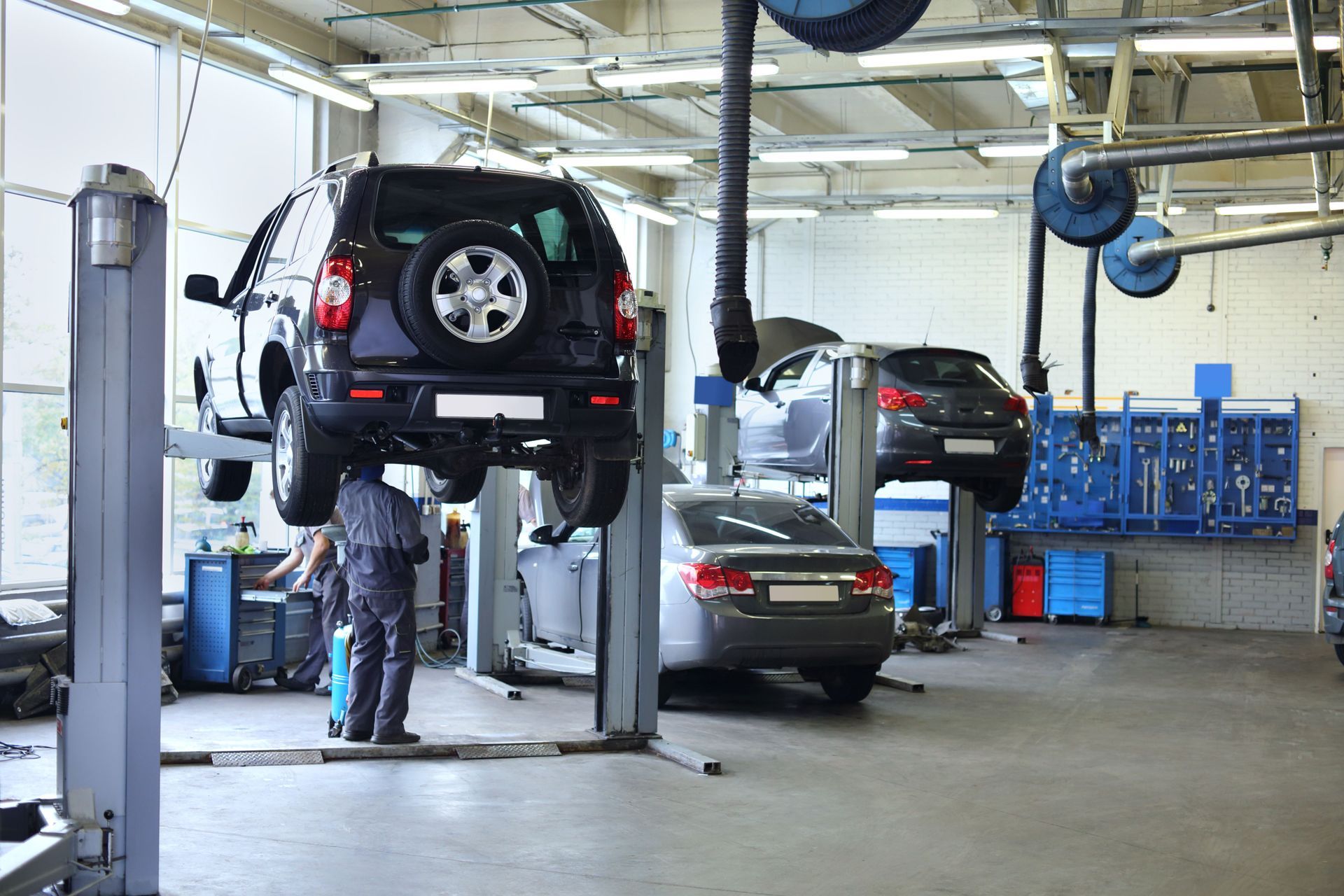
Modern vehicles require precise diagnostics to detect hidden damage from collisions. Professional collision repairs use advanced tools, including computerized measuring systems, laser alignment devices, and electronic scanning equipment. These technologies allow technicians to identify structural, mechanical, or electronic issues that may not be visible. Leveraging diagnostic technology improves repair accuracy, restores full functionality, and enhances long-term reliability.
Securing Long-Term Vehicle Reliability
The ultimate goal of professional collision repairs is to restore the vehicle to its pre-accident condition for long-term safety and performance. Accurate repairs prevent recurring issues, maintain structural integrity, and preserve aesthetic quality. Skilled technicians combine experience, tools, and high-quality materials to deliver durable results. Vehicle owners benefit from peace of mind knowing that their car is fully restored and safe for continued use.
Understanding Totaled Versus Repairable Decisions
Insurance providers often evaluate whether a vehicle is repairable or considered totaled based on repair costs and vehicle value. Professional
collision repairs help determine which damages can be addressed effectively and safely. Repairable vehicles receive comprehensive restoration, while totaled assessments guide owners on replacement or salvage options. Understanding the distinction allows for informed decision-making and ensures that resources are allocated appropriately.
For reliable, professional collision repairs, trust Erie Customs & Collision Inc. Our experienced technicians provide detailed inspections, precision repairs, and high-quality finishing to restore vehicles to their pre-accident condition. We prioritize safety, efficiency, and craftsmanship to ensure your car performs safely and looks flawless. Don’t risk incomplete or substandard repairs—contact Erie Customs & Collision Inc today to schedule your consultation and let our team handle every aspect of your vehicle restoration.